
Reviewed · WASHINGTON DC
Gilded Age DC: Scandal, Secrets & Spirits of Dupont Circle
Washington’s Dupont Circle went from an empty Pacific Circle in 1871 to some of America’s most expensive real estate by 1890. This 90-minute walk explains how ambitious millionaires, diplomats and social climbers helped build the neighborhood, one grand address and one carefully managed reputation at a time.
I like the mix of architectural detail and social intrigue, from the fountain’s symbols to the strict rules of the Social Season. I also like that the stops connect famous houses with lively stories, including a Russian kidnapping and Charles Lindbergh’s visit.
The main drawback is the pace: four named stops and a finish near the Metro station have to fit into an hour and a half. You’ll get a focused introduction, not a leisurely tour of every mansion or a guarantee of access inside each building.
Key points
- Start at the Heurich House Biergarten: Meet at 1307 New Hampshire Avenue NW, just south of Dupont Circle. Drinks are available to buy before the walk, but are not included.
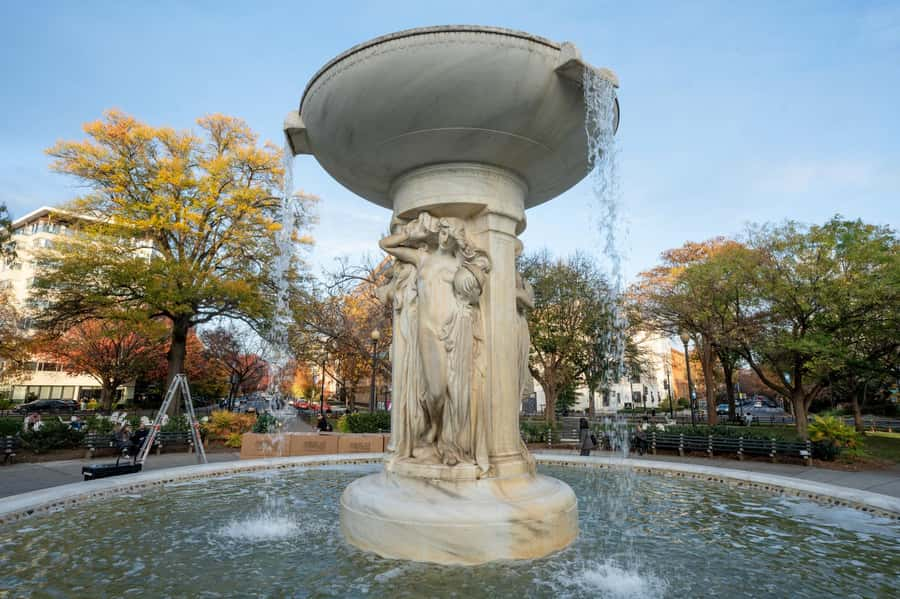
- Read the Dupont Circle Fountain: Your guide explains the symbolism in this marble landmark, giving you a close look at the public art as well as the neighborhood’s history.
- Follow the money to Embassy Row: Learn how self-made millionaires used Washington’s open-door social customs to seek status and influence.
- Hear the Heurich House’s brewing connection: The tour links the house to the period when Washington was nicknamed Sodom of Suds.
- Explore the Society of the Cincinnati connection: At Larz Anderson House, the story turns to the organization and the world surrounding it.
- Expect an outdoor walk in any weather: The tour runs rain or shine, and comfortable shoes and weather-appropriate clothing are essential.
The fortunes behind Dupont Circle
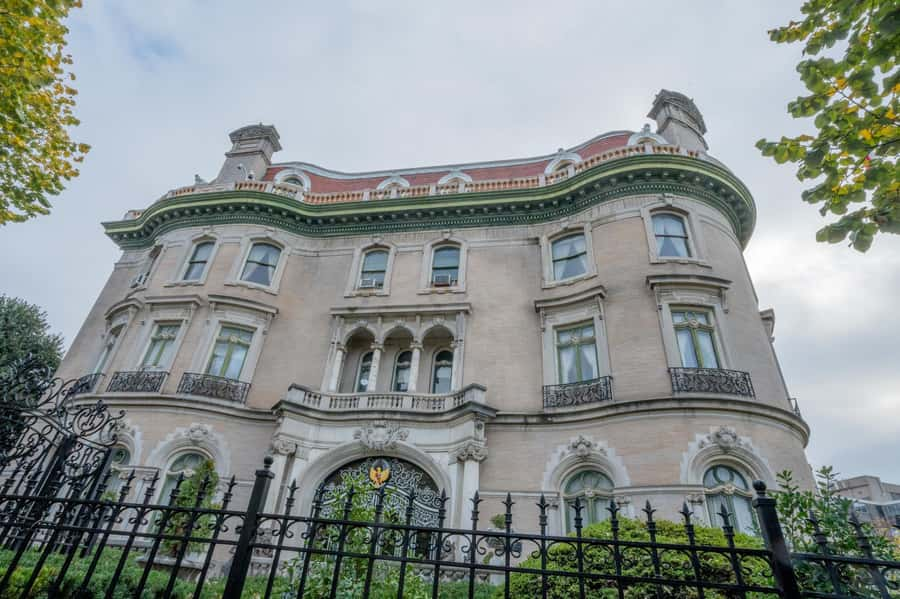
This tour is less about memorizing dates than understanding how a neighborhood’s fortunes changed quickly. In 1871, Dupont Circle was an empty Pacific Circle. By 1890, the area had become the most expensive real estate in America. That dramatic shift gives the walk a clear question to follow: who built this new world, and how did they earn a place in it?
The answer brings you to the parvenus, the self-made millionaires who had money but lacked the inherited standing of old families. Washington offered them a chance to buy grand homes and pursue social recognition. The tour frames architecture as part of that effort: an imposing address was not just a place to live, but a way to announce that you belonged.
I find that perspective useful if you’re looking at Embassy Row and wondering what the buildings say beyond their façades. The tour connects physical scale and design with ambition, diplomacy and social rank. Instead of treating each mansion as an isolated showpiece, it gives you a way to read the neighborhood as a record of people competing for status.
That context also helps explain why the stories focus on manners and invitations as much as money. The Social Season had rules, and the tour describes how a single malapropism could damage a reputation. Even a White House invitation had a place in the etiquette: it was one of only three acceptable excuses for missing a dinner party. Those details make the period feel less like a parade of wealthy names and more like a demanding social system.
More Washington DC tours around Washington Dc:
- DC Memorials Night Tour: Glass-Roof Convertible Upgrade Option
★ 4.5 · 6,933 reviews - National Mall Monuments Night Tour with 10+ Stops, Entry Tickets
★ 4.5 · 4,863 reviews - Washington DC Monuments by Moonlight Tour by Trolley
★ 4.5 · 3,956 reviews
Starting at the Heurich House
The meeting point is the 1921 Biergarten at the Heurich House, 1307 New Hampshire Avenue NW, just south of Dupont Circle. It’s a practical place to meet before setting off, and you can arrive early to relax with a drink. Keep in mind that drinks are not part of the $59 tour price.
The Heurich House is more than a convenient starting landmark. Its connection to brewing gives the tour a different angle on Washington’s past. You’ll hear why the city was once called Sodom of Suds, a pointed nickname that hints at the role of beer and business in its public image. The story offers a counterweight to the polished image of diplomats and formal dinners.
Starting here also sets expectations for the walk: the focus is not only on politics or government. The tour looks at private wealth, business and the social rules that turned money into influence. If you’re especially interested in the history of brewing, the stop should catch your attention, though the experience is a guided neighborhood walk rather than a brewery tasting. Drinks are extra.
Reading the symbols at Dupont Circle
At Dupont Circle, the fountain is more than a meeting point or photo backdrop. The guide helps you decode the symbols in its marble design, encouraging you to look closely rather than simply pass through the circle on your way elsewhere.
That kind of explanation can add value to a short city walk. Public monuments are easy to see but harder to interpret without context. Here, the fountain becomes a way into the neighborhood’s civic identity and its Gilded Age transformation. You don’t need to know much about Washington beforehand to follow the story, but you’ll get more out of it if you pause to look at the details as they’re explained.
The stop also gives the larger story a change of scale. The tour moves from an individual house and its business history to a landmark at the heart of the neighborhood. The link is the same: money and status shaped not only where people lived, but also the public spaces associated with their city.
Mansions, status and the Social Season
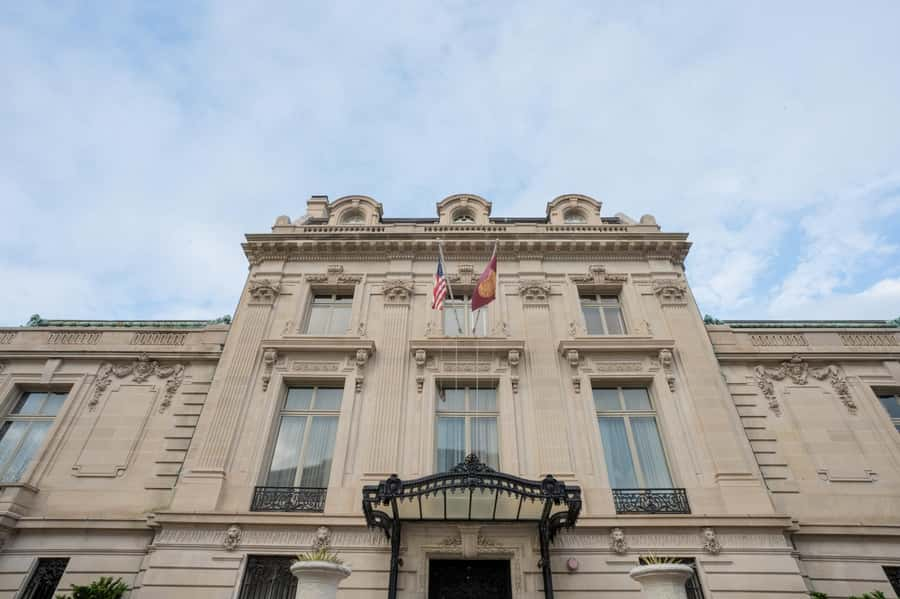
From the circle, the walk takes in architectural landmarks along Embassy Row. The buildings offer a visible record of the people who wanted a place in Washington’s elite society. Your guide sets that display against the unwritten rules of the Social Season, where the right invitation could open doors and the wrong word could close them.
The rules are among the tour’s most memorable subjects because they make the social world concrete. You hear that a White House invitation was one of only three excuses for missing a dinner party, and that a malapropism could cost someone a reputation. Those details put pressure behind the polished architecture: the house might signal wealth, but social acceptance required performance.
The tour’s account of the parvenus is especially relevant here. These were people whose fortunes were self-made, not inherited, and Washington’s open-door social policy gave them a route into elite life. The tension between money and birthright adds nuance to the usual story of grand homes. You’re not only looking at buildings; you’re considering the people who hoped those buildings would help secure their standing.
Same city, a different angle:
- Hop-on Hop-off Sightseeing Tour by Open-top Bus with 18 Stops
★ 3.5 · 3,848 reviews - Washington DC in One Day: Guided Sightseeing Tour
★ 4.5 · 3,360 reviews - DC Monuments and Capitol Hill Tour by Electric Cart
★ 5.0 · 2,841 reviews - Washington DC Moonlight Tour by Electric Cart
★ 5.0 · 2,610 reviews
The O Museum and Patterson Mansion stories
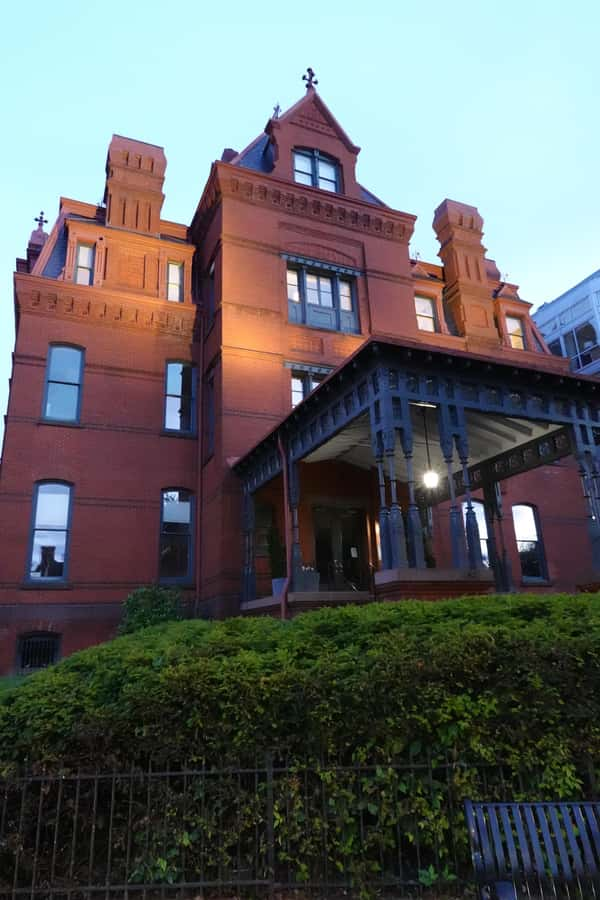
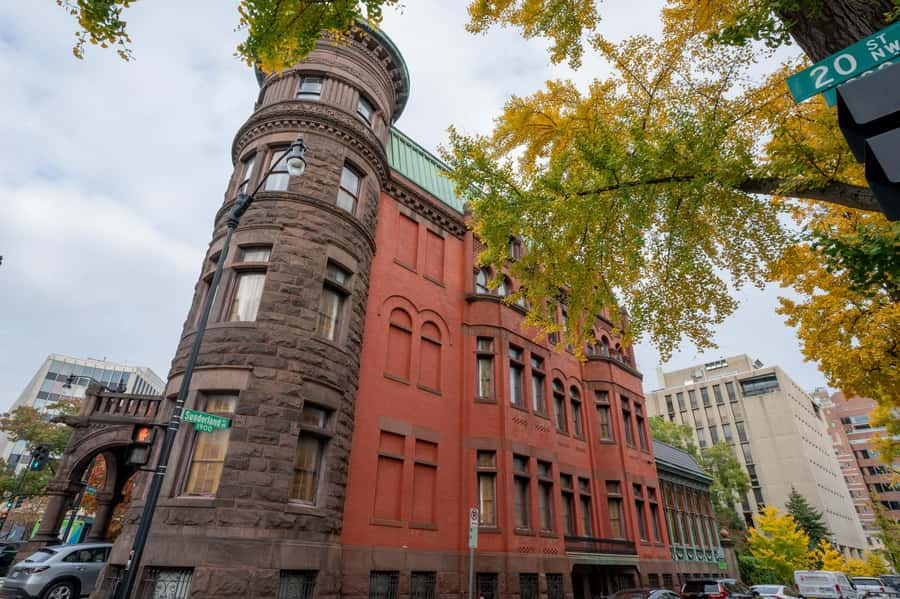
The route includes a guided stop and photo opportunity at the O Museum in The Mansion. The experience also brings in stories associated with Patterson Mansion, including a Russian kidnapping and the mansion’s hosting of Charles Lindbergh. These episodes give the architecture a more unpredictable side than the formal world of dinner invitations might suggest.
The tour information identifies the O Museum in The Mansion as a stop, but it does not promise a full interior visit. Treat this as a guided stop and photo opportunity rather than assuming you’ll have time to explore every room. That distinction matters if you’re hoping for an indoor house tour or are planning your day around a particular exhibit.
The stories themselves help break up the tour’s focus on social rank and diplomatic life. A kidnapping and a visit by a famous aviator make for vivid contrasts with the careful etiquette of the Social Season. You’ll hear the stories in the setting of a mansion, where the building’s association with prominent figures gives the neighborhood’s private history a human face.
Larz Anderson House and the Society of the Cincinnati
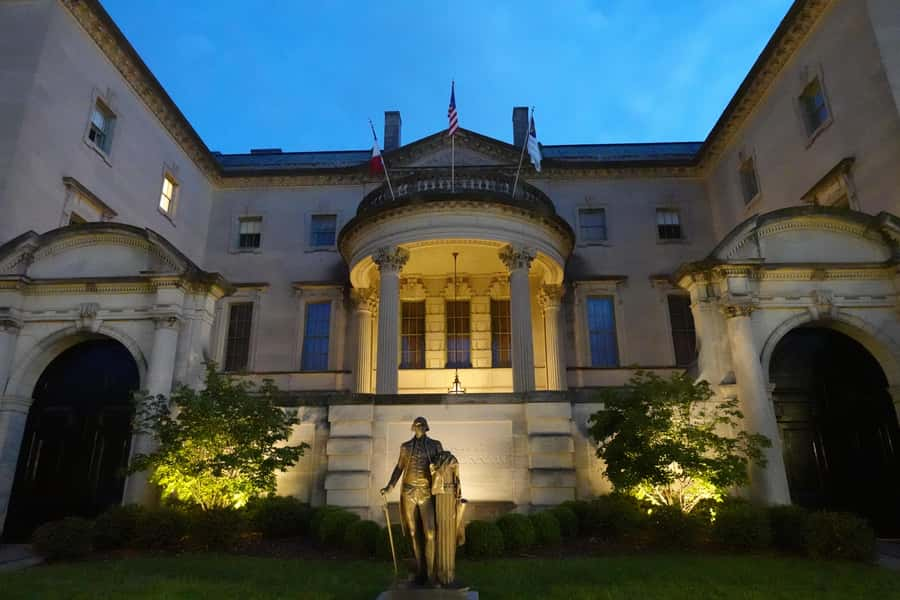
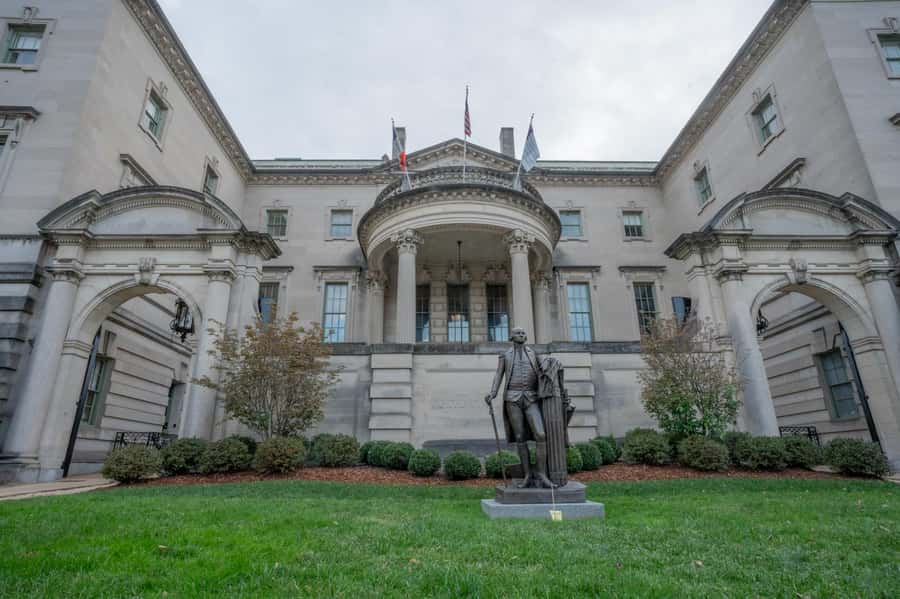
At Larz Anderson House, the tour turns to the Society of the Cincinnati and the world connected with it. The stop adds an institutional dimension to the walk. Earlier, you’ll have heard about individuals using wealth to gain social standing; here, the focus includes an organization and the traditions around it.
The Anderson Way is a useful part of the tour’s broader design. Each stop shifts the subject slightly: the Heurich House brings in brewing, the fountain offers public symbolism, the mansion stories add personal drama, and Larz Anderson House links the neighborhood to the Society of the Cincinnati. That variety helps a 90-minute tour keep moving without losing its central theme of power, reputation and belonging.
As at the other houses, don’t assume that a guided stop means access to every interior space. The useful thing is the guide’s interpretation of the place and its connection to the tour’s history. If your priority is a detailed interior visit, check what access is included before booking.
What $59 buys, and what it doesn’t
At $59 per person, you’re paying for a fully guided 90-minute walk through a concentrated stretch of Dupont Circle history. The value lies in the stories and connections: the fountain’s symbolism, the rise of expensive real estate, the rules of elite social life, and the personalities linked to the houses. If you’re likely to walk through this neighborhood anyway, a guide can help you notice and understand far more than you would on your own.
The price does not include drinks, so budget separately if you want one at the starting Biergarten. It also isn’t a long museum visit or an all-day historical tour. You’re buying a brisk, themed introduction to a specific neighborhood and era, with several stops rather than an extended stay at any one building.
The experience is offered in English and is wheelchair accessible. It runs rain or shine, so clothing and footwear matter: choose comfortable shoes and dress for the forecast. Children under 13 are not considered suitable for the tour, which is a useful point to weigh if you’re planning a family outing.
A verified booking from October 12, 2025, praised guide Shane as kind and thorough. That’s a good sign of the style this walk aims for, though guide assignments can vary. If Shane leads your tour, expect a thoughtful explanation; whoever guides it, the central appeal is an expert-led account rather than a self-guided stroll.
Who should book this walk
I’d recommend this tour if you enjoy architecture but want more than a quick look at façades. It’s also a good fit if you’re curious about the social mechanics of wealth: who was invited, who had to prove themselves, and how a neighborhood became a stage for status. The mix of public landmarks, houses and unusual stories gives you several ways into the Gilded Age.
It may be less satisfying if you want extensive time inside historic homes, a food or drink experience, or a slow-paced walk with long stops. The tour lasts 90 minutes and covers multiple places, so it is designed to connect ideas efficiently. You’ll get a focused overview, not a full day of exploration.
For the best fit, arrive ready to walk and listen, and use the chance to look carefully at the fountain and buildings as the guide points out details. If you have time before the start, the Biergarten offers a place to settle in, but remember that your drink is extra. The tour finishes at Dupont Circle North Metro Station, making it straightforward to continue your day from there.
Should you book it?
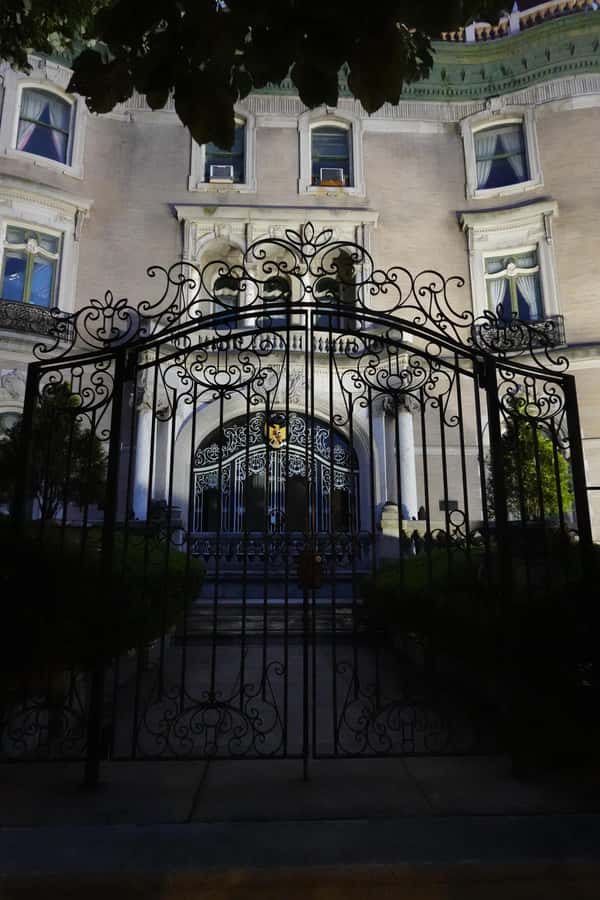
Book this walk if you want a compact, guided explanation of why Dupont Circle became a center of wealth and social ambition, with enough scandal and odd detail to keep the architecture from feeling like a row of impressive façades. The fountain, the Heurich House connection and the mansion stories give the route variety, while the Social Season rules tie the stops together.
Skip it if your priority is guaranteed access to mansion interiors, a longer museum visit or an included drink. At $59, it makes the most sense for someone who values interpretation and a clear neighborhood story. If that sounds like your kind of city walk, this is a practical way to make Dupont Circle’s Gilded Age past easier to read.
FAQ
How long is the tour?
The tour lasts 90 minutes.
How much does it cost?
The price is $59 per person.
Where does the tour start?
Meet at the 1921 Biergarten at the Heurich House, 1307 New Hampshire Avenue NW, Washington, DC 20036, just south of Dupont Circle.
Where does the tour finish?
The tour finishes at Dupont Circle North Metro Station.
Is the tour offered in English?
Yes. The live tour guide speaks English.
Are drinks included?
No. Drinks are not included. You may arrive early and relax with a drink at the 1921 Biergarten.
Does the tour run in bad weather?
Yes. The tour runs rain or shine. Bring weather-appropriate clothing and comfortable shoes.
Is the tour wheelchair accessible, and is it suitable for children under 13?
The tour is listed as wheelchair accessible. It is not suitable for children under 13.
New on the list in Washington Dc
- Washington, DC: Thanksgiving Day Lunch Cruise★ 4.7 · 3 reviews
- White House at Night: Scandals & Murder Adults Only Tour★ 4.5 · 4 reviews
- Washington DC: Private Custom Tour with a Local Guide★ 4.9 · 4 reviews
- Washington Monument Ticket & National Mall Memorials Tour★ 5.0 · 16 reviews
- Washington DC: Highlights Guided Walking Tour★ 4.6 · 6 reviews
- Thomas Jefferson Monticello Small Group Day Tour from DC★ 4.8 · 16 reviews
- Washington: Mt. Vernon, Alexandria & Arlington Cemetery Tour★ 3.4 · 8 reviews
- Washington, DC: The Good Liar: Brian Curry★ 5.0 · 3 reviews