
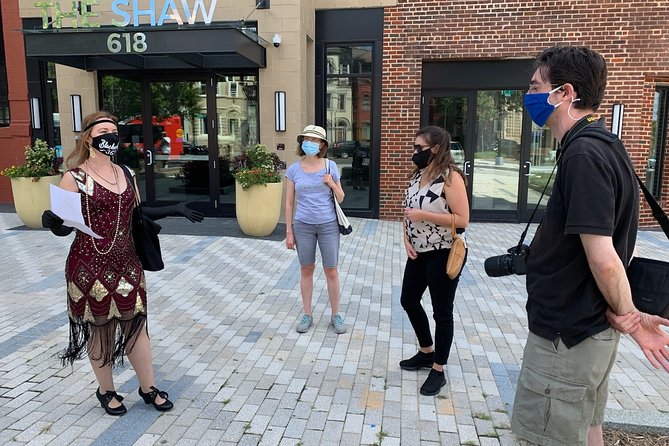
Reviewed · WASHINGTON DC WALKING TOURS
Harlem Renaissance in DC Walking Tour
Washington’s Harlem Renaissance story unfolds on U Street, where theaters, clubs, homes, and gathering places tell how Black artists shaped the capital’s cultural life. This two-hour walk links those places, from the Howard Theatre to the home of poet Georgia Douglas Johnson.
I like that you get real locations tied to performers and writers, rather than only a broad lecture about the era. I also like the Ben’s Chili Bowl break: it gives you time to pause at a long-standing neighborhood institution, with food available to buy.
The trade-off is that the tour moves at a walking pace through several quick stops, and most are brief. If you want to go inside venues or spend a long time at each site, this may feel more like a guided overview than an in-depth visit.
Key points to know before you go
- The Howard Theatre sets the scene: It opened in 1910 and was the first theater in DC to offer a stage for African American performers.
- U Street’s Black Broadway is the focus: Stops connect theaters, clubs, homes, and community gathering places.
- The route includes eight stops: Most are short outdoor visits, with 25 minutes set aside at Ben’s Chili Bowl.
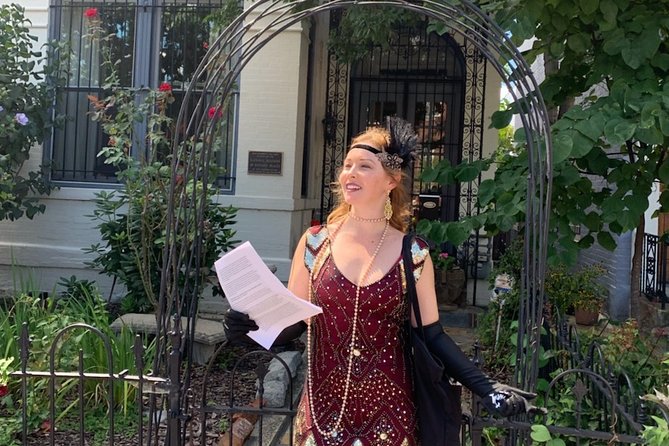
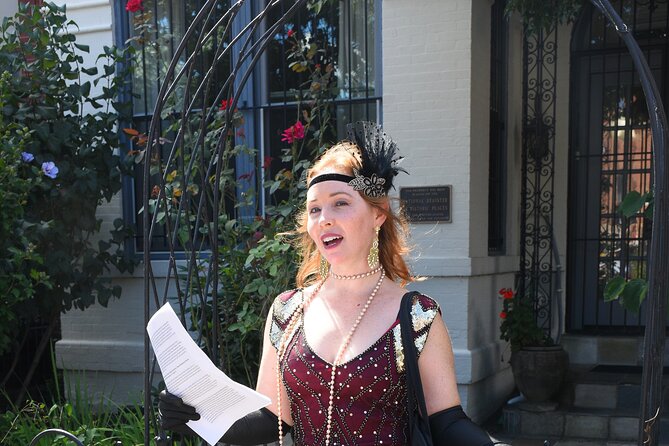
- The guide brings the people into the story: Katie is one guide associated with the tour, and a guide may use period costume and music.
- The price is $30 per person: Food and drinks at Ben’s Chili Bowl or Ben’s Next Door are extra.
- Expect a moderate walk: The group is capped at 20, and the tour lasts about two hours.
Following the music along U Street
This tour is about more than jazz clubs. Its stops point to a wider community of Black musicians, performers, writers, and organizers who helped shape Washington’s arts scene. You’ll hear about jazz and ragtime, but also opera, poetry, and conversations about social justice and Black culture.
That range is one reason I’d choose this walk over a tour focused only on famous musicians. The people and places connect artistic achievement to the local community that supported it. The route also makes the history concrete: you’re standing at sites where people performed, lived, and met.
The walk begins at the Howard Theatre and ends at 1461 S Street NW, the former home of Georgia Douglas Johnson. This end point is also known as the Halfway House. The route is built around eight stops, but most visits are short, usually between three and ten minutes. Expect the guide to keep the story moving rather than linger at every address.
A 25-minute stop at Ben’s Chili Bowl is the longest pause. Food and drinks are not included, so you can buy something there or simply use the break to rest. If you want to eat, remember that the stop is part of a two-hour tour, not a long meal.
More walking tours around Washington DC:
- Arlington National Cemetery Walking Tour & Changing of the Guards
★ 5.0 · 2,566 reviews - DC: Hop-On Hop-Off with 17 Stops plus Arlington Walking Tour
★ 4.1 · 2,238 reviews - Ghosts of Georgetown & The Exorcist Steps Walking Tour
★ 5.0 · 610 reviews
The Howard Theatre opens the story
The Howard Theatre is a fitting starting point. Established in 1910, it was the first theater in Washington to offer a stage for African American performers. Its role in the city’s music and arts scene continued over time, making it a strong place to begin a walk centered on Black cultural life.
You get about ten minutes here. That is enough for an introduction and a sense of why the theater matters, but not a full visit inside. Admission to the stop is listed as free; the tour does not describe an interior visit.
I like how this first stop gives the rest of the route a clear frame. The tour isn’t simply collecting addresses. It begins with a major performance venue, then follows the people and gathering places that helped make U Street an important center of Black arts.
From a pool hall to the opera stage
The next stops broaden the picture. At the site now occupied by Right Proper Brewing Company, the guide points out the former Frank Holliday’s Pool Hall. This is where Duke Ellington first started dabbling in ragtime and jazz piano. You have about five minutes here, so the value lies in hearing the connection and placing it on the map, rather than expecting a long stop or a visit to a historic interior.
Then the route turns to 1910 Vermont Avenue NW, the former home of Lilian Evanti. Evanti was an African American opera singer who earned acclaim abroad before returning to Washington to contribute to Black classical music. This is a useful counterpoint to the jazz-centered parts of the walk. It reminds you that the city’s musical story includes more than clubs and popular performance.
These two addresses are easy to pass without knowing what happened there. A guide helps connect them to careers and artistic traditions that may not get as much attention in a standard sightseeing itinerary. The stops are brief, though, so if you want extensive detail on Ellington or Evanti, ask questions while you walk.
Black Broadway’s clubs and theaters
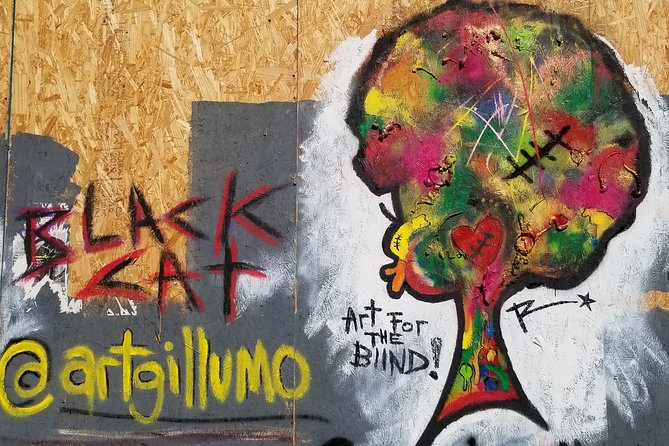
Bohemian Caverns is one of the route’s key jazz landmarks. During U Street’s years as DC’s Black Broadway, it was a must-visit spot for jazz. You’ll spend about five minutes at the former venue. The stop gives you a sense of the neighborhood’s performance culture, even if it does not involve going inside.
The nearby Lincoln Theatre adds another piece. It was a major theater and show house during the Black Broadway era, and the stop lasts about three minutes. That is a quick look, so think of it as a marker in a larger story rather than a detailed theater tour.
The former site of Club Bali, at 1901 14th Street NW, brings Billie Holiday into the route. It was a favorite performance spot for her, and you’ll have around five minutes to hear about its place in the neighborhood’s music scene. Together, these stops help you picture U Street as a linked network of venues, not just one famous stage.
One detail I’d keep in mind: the tour visits historic sites, but the itinerary does not promise access to the venues themselves. The experience is about seeing where they stood and hearing what happened there. If you are mainly interested in interiors, performances, or extended time in a single building, this walk may not meet that aim.
More Washington DC tours around Washington DC:
- DC Memorials Night Tour: Glass-Roof Convertible Upgrade Option
★ 4.5 · 6,933 reviews - National Mall Monuments Night Tour with 10+ Stops, Entry Tickets
★ 4.5 · 4,863 reviews - Washington DC Monuments by Moonlight Tour by Trolley
★ 4.5 · 3,956 reviews - Hop-on Hop-off Sightseeing Tour by Open-top Bus with 18 Stops
★ 3.5 · 3,848 reviews
A pause at Ben’s Chili Bowl
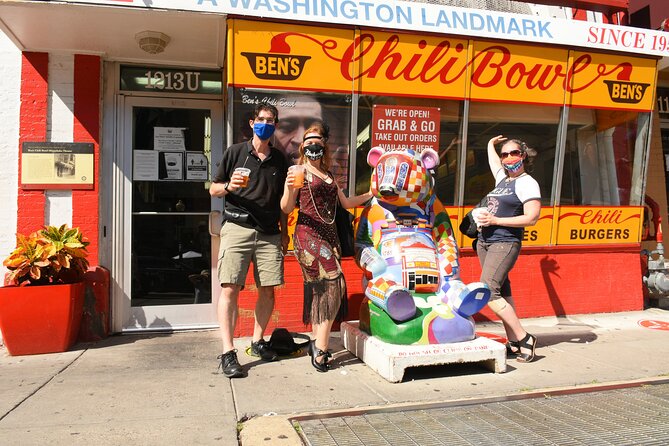
Ben’s Chili Bowl is a familiar Washington landmark and a practical mid-tour break. It has served as an eatery for three generations and has drawn presidents as well as tourists. The tour allows 25 minutes here, more than at any other stop.
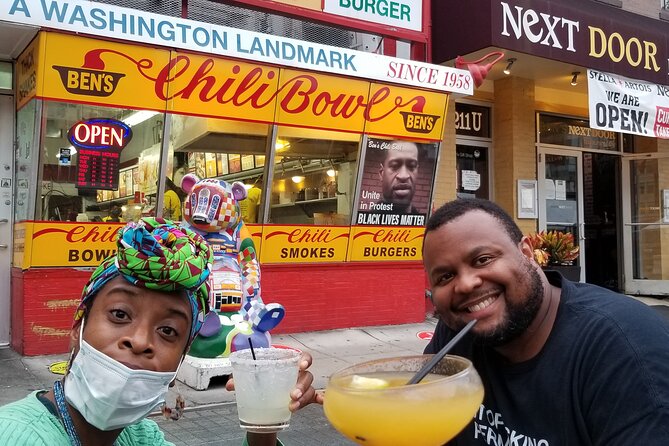
Food and drink are on your own tab, whether you choose Ben’s Chili Bowl or Ben’s Next Door. That makes the $30 tour price easy to understand: you’re paying for the guided history walk, not a meal. If you have a particular order in mind, allow for the fact that the stop is limited in time.
I like this pause because it gives the walk a change of pace. You can sit down, get a refreshment, and take in a present-day neighborhood institution between historic addresses. It is also the one stop where the tour explicitly leaves time for a personal choice: buy something, or use the break to rest.
Poetry, conversation, and the Halfway House
The final stop is 1461 S Street NW, the former home of Georgia Douglas Johnson. The house was a meeting place for the Saturday Nighters’ Club, where people gathered to discuss poetry, social justice, and Black culture. The tour ends here, at a site that shifts attention from public performance to private conversation and shared ideas.
This ending gives the route a useful balance. Theaters and clubs show how artists reached audiences; the home offers a glimpse of the circles where people exchanged work and debated issues. You get about five minutes at the stop, so it is a closing note rather than a long house visit.
The end point is not the same as the starting point at the Howard Theatre. Plan for the tour to finish at 1461 S Street NW, also called the Halfway House, rather than loop back to T Street. The listed end address is a helpful detail if you are arranging plans afterward.
What the guide adds to the walk
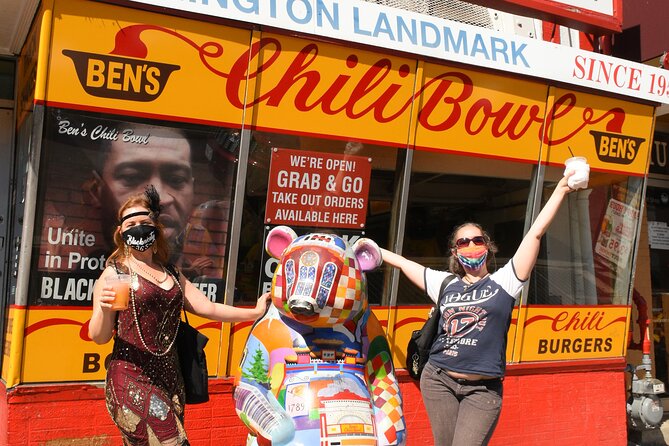
The guide is central to an experience made mostly of short stops. You are not spending long stretches inside museums, so the stories and explanations are what connect one address to the next. Katie is one of the guides named in connection with the tour. Her approach has included period costume and music, details that can add atmosphere to the walk without turning it into a performance.
One family who took the tour described a moderate walk at a good pace and wished they had asked more questions before the two hours passed. That is practical advice: bring your questions, and ask them as they arise. With eight stops and a compact schedule, it is easy to let a detail go by and realize later that you wanted to know more.
The group can have up to 20 people. That is small enough for a guided walking format, but it is still a group experience, not a private tour. If your group is small, the walk may feel more conversational; the tour can also run with more people, up to the stated limit.
Is $30 a fair price?
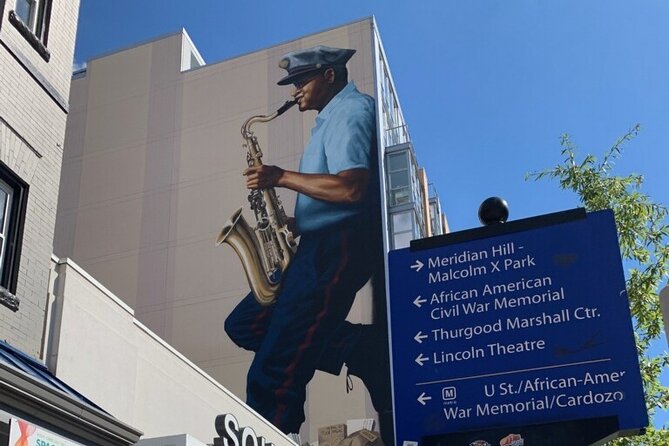
At $30 per person, I see reasonable value if you want a focused introduction to Black arts history in Washington. You get about two hours with a guide, eight locations, and a route that connects jazz, opera, theater, poetry, and community life. The cost is modest compared with a longer private tour, though food at Ben’s is extra.
The value depends on what you want from the stops. If you enjoy learning the stories behind places as you walk, the brief visits can make the neighborhood legible in a short time. If you want to go inside venues, attend a show, or spend a long time discussing each person, you may prefer a longer or more specialized experience.
The tour is offered in English, uses a mobile ticket, and meets at the Howard Theatre, 620 T Street NW. It requires a moderate level of physical fitness and runs in good weather. It is popular enough that the average booking is made about 22 days ahead, so I would plan early if your dates are fixed. You can cancel for a full refund up to 24 hours before the start time; bad weather or a failure to meet the minimum group size may result in a different date or a refund.
Who should book this walk?
I’d recommend this tour if you’re curious about Washington’s Black cultural history and want to connect names and venues to real addresses. It suits music fans, history-minded visitors, and families who are comfortable walking at a moderate pace and keeping to a schedule. The mix of jazz, opera, theater, and poetry makes it a good choice if you want a broader view than a single-artist tour.
I’d think twice if you need a slow pace, want to visit the interiors of every venue, or prefer a meal to take up more than 25 minutes. The route’s strength is its concise storytelling across several sites. Book it if that sounds like a useful way to spend two hours in DC, and arrive ready to ask questions.
FAQ
How long is the Harlem Renaissance in DC Walking Tour?
The tour lasts approximately two hours.
How much does the tour cost?
The listed price is $30 per person.
Where does the tour start?
It starts at the Howard Theatre, 620 T Street NW, Washington, DC 20001.
Where does the tour end?
It ends at 1461 S Street NW, the home of Georgia Douglas Johnson, also called the Halfway House.
Is food included at Ben’s Chili Bowl?
No. Food and drinks at Ben’s Chili Bowl or Ben’s Next Door are not included.
How long is the stop at Ben’s Chili Bowl?
The stop is scheduled for 25 minutes.
What language is the tour offered in?
The tour is offered in English.
How large can the group be?
The maximum group size is 20 people.
Is the walk suitable for all fitness levels?
The tour calls for a moderate level of physical fitness.
Can I cancel for a refund?
You can cancel at least 24 hours before the start time for a full refund. If the tour is canceled due to poor weather or because the minimum group size is not met, you’ll be offered another date or a refund.
New on the list in Washington DC
- Washington, DC: Thanksgiving Day Lunch Cruise★ 4.7 · 3 reviews
- White House at Night: Scandals & Murder Adults Only Tour★ 4.5 · 4 reviews
- Washington DC: Private Custom Tour with a Local Guide★ 4.9 · 4 reviews
- Washington Monument Ticket & National Mall Memorials Tour★ 5.0 · 16 reviews
- Washington DC: Highlights Guided Walking Tour★ 4.6 · 6 reviews
- Thomas Jefferson Monticello Small Group Day Tour from DC★ 4.8 · 16 reviews
- Washington: Mt. Vernon, Alexandria & Arlington Cemetery Tour★ 3.4 · 8 reviews
- Washington, DC: The Good Liar: Brian Curry★ 5.0 · 3 reviews
Washington DC Walking Tours, compared.

Arlington National Cemetery Walking Tour & Changing of the Guards
Read our review →
Hop-On Hop-Off with 17 Stops plus Arlington Walking Tour
Read our review →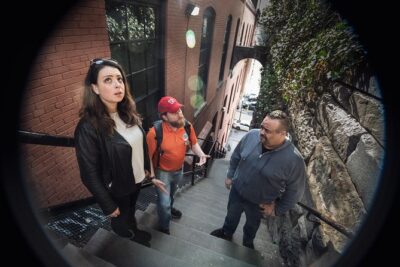
Ghosts of Georgetown & The Exorcist Steps Walking Tour
Read our review →
Georgetown Foodie Culinary Tour & Neighborhood Walk
Read our review →
Historic Georgetown: History, Gossip, & Architecture Walking Tour
Read our review →
Smithsonian Museums Walking Tour with Reserved Air & Space Entry
Read our review →Browse the lists this tour appears in