
Reviewed · WASHINGTON DC MUSEUM TOURS
Smithsonian Natural History Museum Tour Semi-Private 8ppl
The Hope Diamond may be the famous headliner, but the real advantage here is having a guide connect the dazzling stones, ancient remains, ocean displays, and enormous animals into one brisk visit. You get a focused route through a museum with 126 million artifacts, rather than trying to choose among them on your own.
I like two things especially: a group of no more than eight, which gives you room to ask questions, and a guide who can adjust the visit to your interests. Tim, for example, has spent extra time in the areas his group wanted to explore; Amanda and Brenda have also been praised for keeping children and whole families engaged.
The trade-off is time. Two and a half hours is enough to see major highlights, not enough to cover a museum that spans the area of 18 football fields. If you want a slow, self-guided visit or hope to see every hall, treat this as a smart introduction, not the whole story.
- A 46-karat star: See the Hope Diamond and the enormous Dom Pedro Aquamarine.
- Small by museum standards: Private tours are available, while small groups are capped at eight.
- A guide-led route: Move among mummies, ocean life, fossils, and giant animals without having to plan every stop.
- A family-friendly approach: Guides such as Amanda and Brenda have been praised for drawing children into the exhibits.
- Time to ask questions: The 150-minute visit leaves room for conversation, though not for seeing the entire collection.
- Plan for security: Bring photo ID and leave luggage and large bags behind.
Why a guide helps in a museum this large
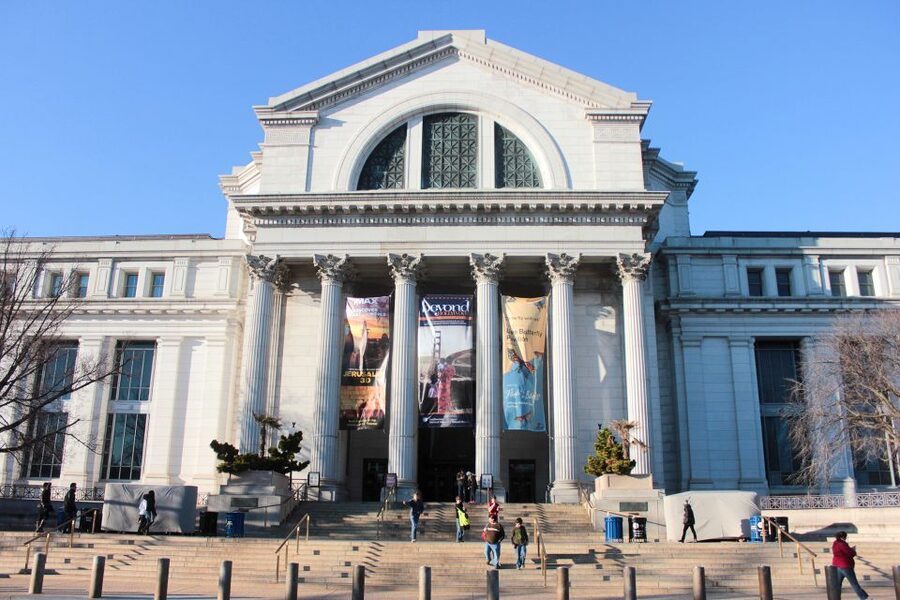
A museum holding more than 126 million artifacts can feel like a grand test of stamina. The building covers an area equivalent to 18 football fields, so the hard part is not finding something interesting. It is choosing what to see, and understanding why it matters before the next display catches your eye.
This 150-minute tour gives you a guide to do that sorting. Instead of spending the first hour studying maps and debating which hall to enter, you follow a route through some of the museum’s most talked-about exhibits. Your guide adds historical and scientific context, background stories, and personal anecdotes. That human thread can make a quick stop feel more substantial than simply looking at a label and moving on.
The format also leaves space for questions. One family found guide Leigh engaging enough to hold a 16-year-old’s attention, while Amanda was praised for keeping young children involved. Those are useful signs if you are visiting with a mixed-age group: the tour is not meant to be a lecture delivered over your head, but a guided conversation that can respond to the people in front of it.
The exact route may vary, and some collections can change. Think of the listed sights as likely highlights rather than a promise that every stop will appear in precisely the same order.
Hope Diamond and the museum’s famous stones
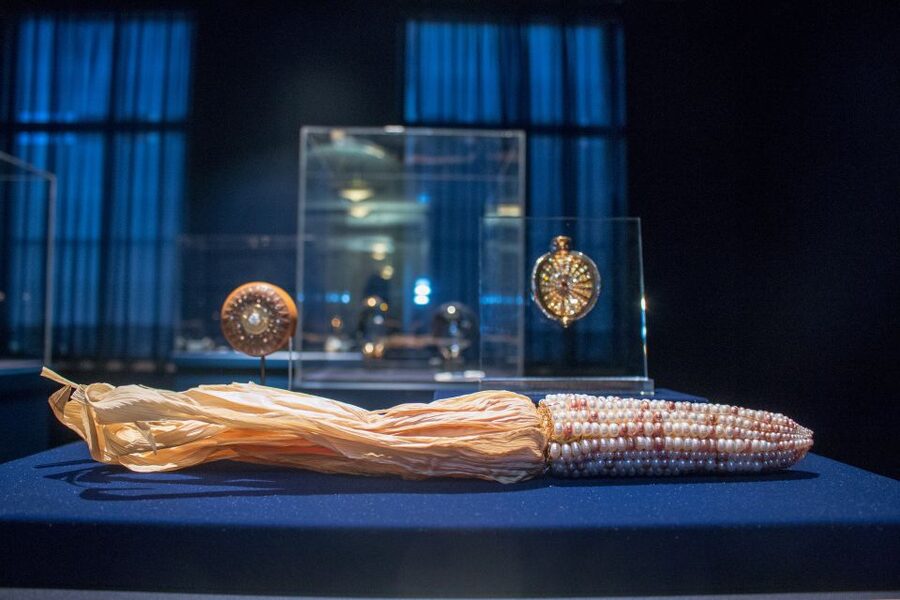
The 46-karat Hope Diamond is a natural first anchor. Its fame gives the guide an easy way to explain the stones and the stories that have followed them. You can admire the display on your own, of course, but a guide helps put the scale and significance of the jewel into words while you are standing in front of it.
The route also includes the Dom Pedro Aquamarine, described as the world’s largest aquamarine, along with the Star of Asia Sapphire. These are not minor side notes to the Hope Diamond. They offer a chance to compare different stones and notice how their size, color, and setting shape what you see.
I like this section for the simple reason that famous objects are easier to appreciate when you know what makes them unusual. Still, if you are most interested in one particular stone, say so early. The small-group format makes it easier to ask for a closer explanation than you might get in a large tour party, though the group’s timing and interests will also shape how long you stay.
More museum tours around Washington Dc:
- Guided African American History Tour with Reserved Museum Entry
★ 4.5 · 1,180 reviews - Washington DC: Museum of the Bible General Admission
★ 4.8 · 494 reviews - Smithsonian Museum of Natural History – Exclusive Guided Tour
★ 5.0 · 446 reviews
Mummies, fossils, and the questions behind the displays
Real mummies bring a different mood from the glittering stones. They make the museum’s human past feel immediate, and they often prompt questions about preservation, belief, and the scientific study of remains. Your guide can provide context before you enter rooms where speaking may be restricted, as some areas require quiet or limit conversation.
That rule is worth knowing in advance. If you are used to asking questions as soon as they occur to you, you may need to save them until you leave a quiet room. The guide will explain the contents before you enter where required, so you are not left guessing why the group has gone silent.
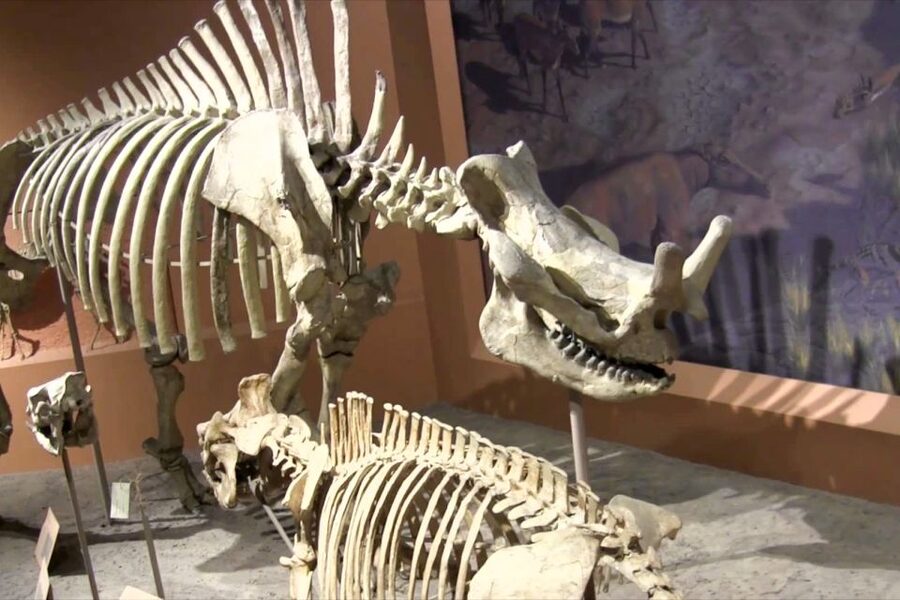
The Fossil Lab adds a look at scientific work rather than only finished displays. It helps show that a museum is not simply a warehouse of old things. It is also a place where objects are examined and interpreted. The Arctic Narwhal offers another kind of natural-history story, one that can lead from a distinctive animal to the environments it inhabits.
A guide’s value here is in linking the object to the question it raises. The tour includes historical and scientific information, but the balance can respond to the group. If you are curious about a particular exhibit, ask. Past guides have been described as open to questions and willing to spend more time in areas that interest the group.
Ocean Hall and Phoenix, the 45-ton whale

The Ocean Hall brings the sea into the museum with a real coral reef exhibit. It is a useful change of pace after cases and stone displays: the subject shifts from individual artifacts to the complexity of marine life. Your guide can help you take in the exhibit as more than a colorful scene, with scientific details and stories that make the ocean displays easier to read.
Then there is Phoenix, a replica of a 45-ton whale that the museum has followed in the wild. The scale alone makes this a natural stop for anyone who likes big animals, but the connection to a whale tracked in the wild gives the display a broader angle. It links an enormous museum exhibit to research beyond the building.
This hall is also a good place to keep an eye on the clock. It is easy to linger when the displays catch your interest, and a 150-minute tour cannot give every hall the same amount of time. If the ocean is your main reason for visiting, tell your guide. The route may be adjusted to the group, but there is no guarantee that you can turn a highlights tour into a full, unhurried exploration of one section.
Elephants, giraffes, and other land giants
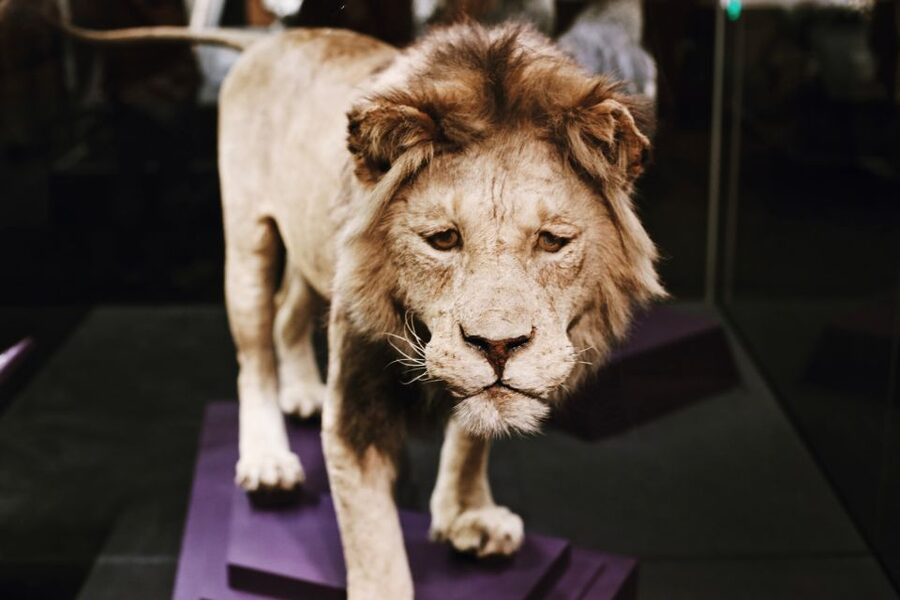
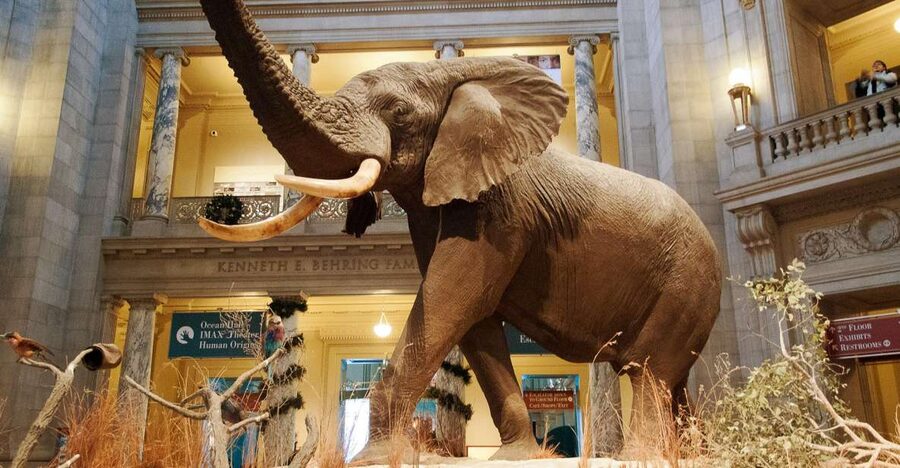
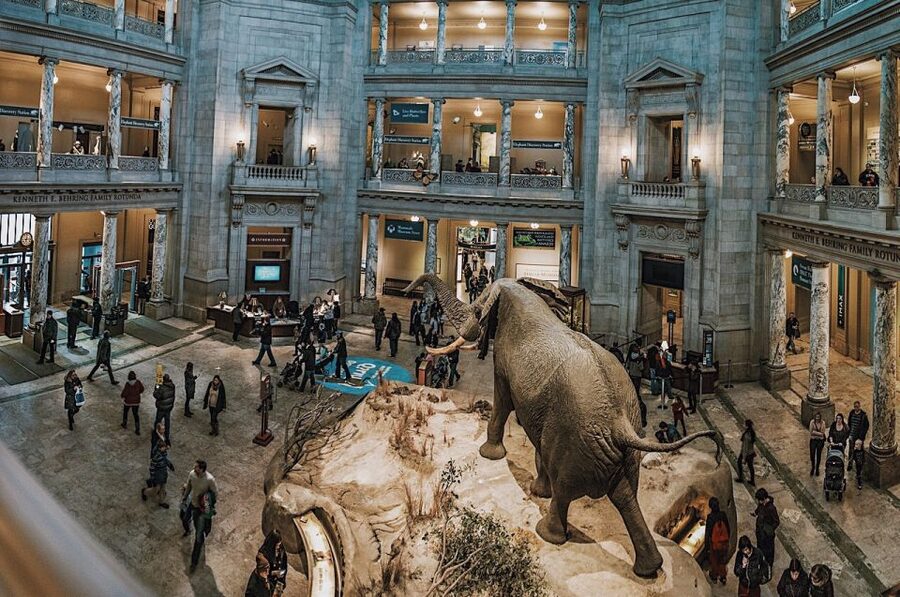
Giraffes, elephants, polar bears, and other large land animals bring the scale back to the familiar. The displays can be a hit with children, but they are not just a convenient family stop. Seeing animals side by side gives you a chance to notice their different shapes and sizes, and to hear how they fit into the museum’s natural-history collections.
For families, the guide can make the difference between a child racing from one animal to the next and a child pausing long enough to notice something. Several guides have been praised for engaging children and drawing in the whole family. That does not mean every child will be captivated for two and a half hours, but it does mean the tour has a conversational format rather than a fixed, impersonal script.
If you are traveling with children, the small cap is a practical plus. A group of eight or fewer is easier to hear and follow than a large crowd, and there is more room to ask a question without interrupting a packed line of people. Bring your own judgment about your child’s attention span, and remember that the tour is a walking visit through a very large building.
More private tours around Washington Dc:
- National Mall Night Tour with 10+ Monuments (Public or Private)
★ 4.5 · 2,207 reviews - Private Washington DC City Tour
★ 5.0 · 1,508 reviews - Private Night-Time Monuments Tour of DC for up to 10 Guests
★ 5.0 · 326 reviews - Private Multilingual DC City Tour (Spanish, Portuguese, English)
★ 5.0 · 225 reviews
What the $95 price buys you
At $95 per person, this is not the cheapest way to enter a museum. The value is in the guide and the time saved choosing a route through a collection so large that an independent visit can quickly become aimless. You are paying for a 2.5-hour guided walk, an English-speaking professional, and a private or small-group format capped at eight, not simply for access to displays.
That value is strongest if this is your first visit, you have limited time, or you want help connecting the exhibits. It can also suit a family that would rather have someone else set the pace and bring out the most engaging details. Past guides named by visitors include Tim, Leigh, Amanda, Richard, Tony, and Brenda. Tim has been especially associated with adjusting time to the group’s interests, while Amanda and Brenda have been praised for involving children and families. Your guide will depend on your date.
The tour is less compelling if you already know the museum well, prefer to wander without a schedule, or want to spend a long time in one particular hall. You may find that a self-guided visit gives you more freedom for less money. For a first look, though, the fee can make sense: a good guide helps you spend your limited time on the displays you came to see, and leaves you with better ideas for what to revisit later.
Group size, access, and practical details
You can choose a private tour or a small-group option. The maximum is eight people, while a semi-private tour requires at least two participants. If the minimum is not met, an alternative date or a refund is offered. A private tour may suit you if you want the route shaped more closely around your party; a small group keeps the experience personal while sharing the guide’s time with others.
The meeting point depends on the option booked, so check the details for your chosen format before setting out. The tour offers skip-the-ticket-line access, but the museum can occasionally close without advance warning. If opening is delayed by more than an hour after the scheduled start, the supplier says an appropriate alternative will be provided; refunds or discounts are not available in that situation.
Bring valid photo ID, such as a passport or ID card. Luggage and large bags are not allowed, and security permits only handbags or small, thin backpacks. Wear appropriate clothing for entry. Food and drinks, hotel pickup and drop-off, and temporary exhibits are not included.
Wheelchair tours are available by request, but the activity is also marked as not suitable for wheelchair users. If accessibility is essential, contact the provider before booking to confirm what can be arranged for your needs. The tour is offered in English, and some room rules may limit speech, with the guide explaining the relevant displays beforehand.
Is this the right museum visit for you?
I would book this tour if you want a strong first look at the museum, value a guide who can make the exhibits easier to understand, or have children who benefit from an engaging voice and a clear route. It is also a sensible choice if the Hope Diamond, mummies, ocean life, or enormous animal displays are high on your list and you do not want to spend precious time deciding where to begin.
I would skip it if your ideal museum day is long and unstructured, or if you already have a carefully planned list of halls to explore. Two and a half hours is a guided introduction, not an all-day pass to every corner. For many first-time visitors, that is the point: see a varied set of highlights, learn enough to care about them, and leave with a better sense of where to return.
FAQ
How long is the Smithsonian Natural History Museum tour?
The walking tour lasts 150 minutes, or two and a half hours.
How many people can join a tour?
A maximum of eight people are permitted on each tour. You can choose a private tour or a small-group option.
Does the semi-private tour require a minimum number of participants?
Yes. At least two participants are required. If that minimum is not met, an alternative date or a refund will be offered.
What language is the tour in?
The live tour guide speaks English.
Which exhibits are included among the tour highlights?
Highlights include the Hope Diamond, Dom Pedro Aquamarine, Star of Asia Sapphire, real mummies, the Ocean Hall coral reef exhibit, Phoenix the whale, the Fossil Lab, the Arctic Narwhal, and large land animals.
Is the ticket line skipped?
Skip-the-ticket-line access is included.
What should I bring?
Bring a valid photo ID, such as a passport or ID card. Security allows only handbags or small, thin backpacks.
Is the tour suitable for wheelchair users?
Wheelchair tours are available by request, but the activity is marked as not suitable for wheelchair users. Contact the provider before booking to check whether the arrangements will meet your needs.
Can I cancel for a refund?
You can cancel up to 24 hours in advance for a full refund.
More history tours around Washington Dc
- DC Monuments & History Guided E-Cart Tour-Blankets
★ 4.5 · 450 reviews - African American History Tour with Museum of African American History Ticket
★ 4.5 · 390 reviews - Historic Georgetown: History, Gossip, & Architecture Walking Tour
★ 5.0 · 321 reviews - Washington, DC: African American History Tour & Museum Entry
★ 4.9 · 312 reviews
New on the list in Washington Dc
- Washington, DC: Thanksgiving Day Lunch Cruise★ 4.7 · 3 reviews
- White House at Night: Scandals & Murder Adults Only Tour★ 4.5 · 4 reviews
- Washington DC: Private Custom Tour with a Local Guide★ 4.9 · 4 reviews
- Washington Monument Ticket & National Mall Memorials Tour★ 5.0 · 16 reviews
- Washington DC: Highlights Guided Walking Tour★ 4.6 · 6 reviews
- Thomas Jefferson Monticello Small Group Day Tour from DC★ 4.8 · 16 reviews
- Washington: Mt. Vernon, Alexandria & Arlington Cemetery Tour★ 3.4 · 8 reviews
- Washington, DC: The Good Liar: Brian Curry★ 5.0 · 3 reviews
Washington DC Museum Tours, compared.
Guided African American History Tour with Reserved Museum Entry
Read our review →

Smithsonian Museum of Natural History – Exclusive Guided Tour
Read our review →
African American History Tour with Museum of African American History Ticket
Read our review →
National Mall Tour with 10 Stops & U.S. Capitol or Museum Entry
Read our review →
Smithsonian Museums Walking Tour with Reserved Air & Space Entry
Read our review →
Capitol Combo: U.S. Capitol + Library Congress or Capitol Museum
Read our review →
U.S. Capitol Tour with Library of Congress or Capitol Museum
Read our review →Browse the lists this tour appears in